A leaking pipe can quickly turn into a serious problem. It happens on a cold January morning before work, or late on a Sunday night when every plumber seems unreachable. The water just keeps moving, spreading across floors, soaking into walls, working its way towards your electrics.
If you are dealing with a burst pipe in Sheffield right now, this is a practical, minute-by-minute walkthrough of what to do before a professional arrives. Every step matters. Every minute costs more in damage.
Sheffield’s cold snaps rolling in from the Pennines between November and March make the city one of the more common hotspots for frozen and burst pipes in the North of England. Properties in Hillsborough, Stocksbridge, and higher-elevation suburbs near the Peak District are especially vulnerable.
Why Pipes Burst in Sheffield Homes
Freezing temperatures are the most common cause. When water freezes in a pipe, it expands until the pipe splits, and the burst typically happens during the thaw, which is why you often discover the problem on a milder morning after a very cold night.
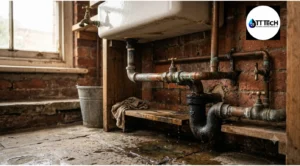
Old or corroded pipework is common across Sheffield’s pre-1970s terraced stock in S6, S10, and S11. Older plumbing systems often break down after years of pressure and temperature changes.
High water pressure stresses the pipework continuously. Pressure spikes, particularly after mains work, can cause failures. A pressure-reducing valve (PRV) helps, but many older homes lack one.
Poor insulation around pipes in lofts, garages, and external walls leaves them exposed. Uninsulated pipes in these areas are the first to freeze when temperatures drop.
Accidental damage during renovation, a nail through a hidden pipe or a drill into a wall cavity, can cause slow leaks that become full bursts.
The First 30 Minutes: A Step-by-Step Emergency Plan
When a pipe bursts, the damage in the first half hour often costs more than the repair itself. Doing things in the correct order helps control the situation better.
Minutes 0 to 2: Stop the Water at the Source
Your single most important action is to shut off the water immediately, not look for the leak, not grab towels. Turn off the water.
Most properties in Sheffield have the main water valve under the kitchen sink area. Turn it clockwise until it stops; use a cloth or a spanner if it is stiff. If not under the sink, check the utility cupboard, downstairs toilet, or garage. In some older terraced houses in Burngreave, Pitsmoor, or Sharrow, the only shut-off valve is external, located under a pavement cover, and requires a stopcock key (available for around three pounds at any DIY shop). If renting, your landlord should have provided the location. Once the water is off, active damage stops.
Minutes 2 to 5: Turn Off Your Electrics in Affected Areas
Water and electricity together are life-threatening. Go to your consumer unit (fuse box) and switch off circuits covering rooms where water is present. If unsure which switches control which areas, switch off the main isolator at the top of the unit. Do not use any switches, plugs, or appliances in affected rooms until confirmed safe. In Sheffield, properties with older wiring, the labelling may be unclear. When in doubt, cut power to the entire ground floor. Keep a torch accessible.
Minutes 5 to 10: Open Taps and Drain the System
Open every cold tap in the house, top floor first and working down, this drains residual water rather than leaving it under pressure above the burst. Do not run hot taps unless your boiler is clearly unaffected. If you have a loft cold water storage tank, check that it is not flooding the space; if so, tie the ballcock arm up to stop it from refilling. Flush the toilets once to empty the cisterns.
Minutes 10 to 15: Identify Where the Burst Is
After shutting off utilities, start checking for the source of the leak. Look for wet patches on ceilings, water running down walls, bulges in plaster, or puddles under floorboards. Listen for hissing or dripping behind walls as residual water drains through the break.
Photograph or video the damage for the plumber and for your insurance claim. Note the location precisely: loft, bathroom wall, kitchen floor.
Minutes 15 to 20: Contain the Water Damage
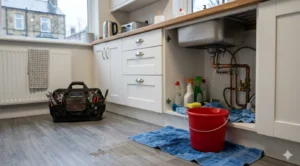
Lay old towels or blankets along the edges of wet areas and place buckets under ceiling drips. Use a wet vacuum if available. Move furniture, rugs, and valuables out of affected rooms. If water has soaked into the carpet, lift the edges; the underlay holds water like a sponge and is the primary cause of post-flood mould. Open windows slightly to start ventilation. Do not use any electrical appliance for drying until the electrics are confirmed safe.
Minutes 20 to 25: Call a Plumber
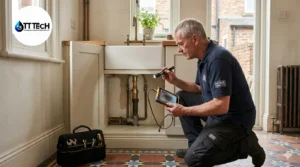
Call a local emergency plumber. Have ready: your full address and postcode, the location of the burst, confirmation that you have turned off the stopcock and electrics, whether water is still moving, and the approximate age and type of your property. Most Sheffield emergency plumbers operate 24 hours and reach most areas within an hour. During high-demand periods, ask for an honest wait time. Emergency call-outs can attract dishonest traders, so check reviews first.
Minutes 25 to 30: Notify Your Insurer and Prepare for the Plumber’s Arrival
Call your insurer as soon as you have spoken to the plumber. Contact them immediately and mention the burst pipe situation. Get a claim reference number. Your policy may include a 24-hour helpline that can send an approved plumber at no extra cost. While waiting, clear the driveway, unlock side gates, secure any pets, and locate the stopcock.
What Not to Do During a Burst Pipe Emergency
Do not use electrical items near water: Electrical risk remains until the area is professionally dried and inspected.
Do not attempt to repair the pipe yourself with tape, sealant, or clamps; incorrect fixes can mask damage or create a second failure. The exception is a push-fit pipe repair coupling from any plumber’s merchant in Sheffield, which offers a reliable temporary fix on accessible plastic pipework.
Do not run your boiler or heating until the plumber confirms the pipework is intact; a breach can damage the boiler, create airlocks, or push water further.
Do not ignore a bulging ceiling: Protect the floor and, if the bulge is large, pierce the lowest point with a screwdriver to release water in a controlled flow rather than waiting for a collapse.
Frozen Pipe Burst in Sheffield: What Makes It Different
Sheffield’s Pennine location and older housing stock make frozen pipe bursts a regular winter occurrence. The key difference is timing: the burst typically happens during the thaw, not the freeze. If you wake after a night below minus two degrees with no water from your taps, your pipes may have frozen but not yet burst. Act before the thaw.
Apply gentle heat using a warm towel, hot water bottle, or hairdryer on a low setting held away from the pipe. Never use a blowtorch. Work from the tap end towards the freeze point. If water returns normally, the thaw happened cleanly. If water suddenly pours from a joint or split, go back to Step 1.
Pipes most likely to freeze are those in uninsulated lofts, north-facing external walls, and unheated garages. If the same spot has frozen before, lag it before next winter. Pipe lagging foam is inexpensive and fits in minutes.
Long-Term Prevention: Protecting Your Sheffield Property
Insulate all exposed pipework: Loft, garage, and external wall pipes should be wrapped with foam lagging, available at any builders’ merchant in Sheffield.
Know where your stopcock is: Find it today, confirm it turns, and tell every adult in the household. If stiff or not fully closing, call a plumber; a faulty stopcock is useless in an emergency.
Get the pipework inspected if your property is old: Sheffield has a large stock of Victorian and Edwardian terraced housing. If your home is over 50 years old and pipework has not been checked recently, a survey is a sound investment versus emergency fees and excesses.
Install a leak detector: Smart water sensors alert your phone to moisture, costing between fifteen and fifty pounds. Some insurers offer discounts for properties with these fitted.
Keep your heating on in cold weather: If away during a cold snap, set the thermostat to at least 12 or 13 degrees. Returning to a flooded house after turning the heating off is a scenario that plays out every year across Sheffield.
Check your water pressure: High pressure degrades pipework over time. If pressure feels unusually strong, ask a plumber to fit a pressure-reducing valve. Standard domestic pressure should sit around one to two bars.
The Cost of Ignoring or Delaying Action on a Burst Pipe
Water damage costs increase exponentially with time. A split pipe that stops quickly might cause minimal damage; left for several hours, it can cost tens of thousands of pounds.
Timber flooring swells within hours and must be replaced. Plasterwork absorbs water deeply, and damp causes mould, which the NHS links to respiratory problems. Electrics in flooded areas require professional inspection; your insurer will require it. Structural timbers in older Sheffield properties can develop wet rot. Mould remediation, drying, repairs, and replacing contents can easily reach five figures. Speed has direct financial value.
Conclusion
A burst pipe in Sheffield does not have to become a disaster. The difference between a stressful few hours and weeks of upheaval comes down to how fast and calmly you act in those first thirty minutes.
Shut off the water. Deal with the electrics. Drain the system. Contain what you can. Call a trusted local plumber and notify your insurer. These five steps protect your home, your finances, and your family.
Know where your stopcock is. Have a plumber’s number saved. Keep a torch and bucket accessible. If you have pipes in an uninsulated loft or garage, get lagging on them before the temperature drops.
If the emergency has already happened, put this guide down and start with step one.
Frequently Asked Questions
Q1: I cannot find my stopcock. What do I do?
Check under the kitchen sink, utility room, toilet, or garage first. If water is leaking badly, call Yorkshire Water immediately.
Q2: My ceiling is bulging with water. What should I do?
Move items away, place buckets underneath, and carefully drain the bulge. Call a plumber and your insurer right away.
Q3: Does home insurance cover burst pipes in the UK?
Most UK policies cover water damage from burst pipes, but usually not the pipe repair itself.
Q4: Can I use my boiler or heating while I have a burst pipe?
No. Keep the boiler off until a plumber checks the system.
Q5: How do I stop pipes from freezing again next winter?
Insulate exposed pipes, keep heating on low in winter, and let taps drip slightly during freezing nights.